Plain English / Roof Battens
What Are Roof Battens and Why Are They Important?
Type what are roof battens into a search engine and you get definitions. Stand under a roof in a gale and you get the real answer: they are the members holding the whole lid on. Here is the plain English version, and why the choice of batten matters more than its size suggests.
SEC 01 / The role
The role of a batten in a roofing system
A roof batten is the horizontal steel or timber member fixed across the rafters or trusses. The roof sheeting screws to the battens, not to the frame, so the batten is the layer that turns a skeleton of trusses into something you can actually fix a roof to.
That position gives it three jobs at once. It carries the sheeting and everything the sheeting deals with. It sets the line the sheeting follows, straight or otherwise. And it spreads point loads, a boot during install or a solar array years later, back into the structure below.
As for what are roof battens made of, the answer on Australian sites is timber or cold formed steel, and the gap between those two options has widened every year.
SEC 02 / Timber vs steel
Timber vs steel battens: the key differences
| Property | Timber battens | Steel battens |
|---|---|---|
| Straightness | Can bow, twist and shrink | Dimensionally true, batten to batten |
| Moisture | Moves with the seasons | Stable, corrosion treated |
| Termites | On the menu | Not a food source |
| Fire | Combustible | Does not ignite or add fuel |
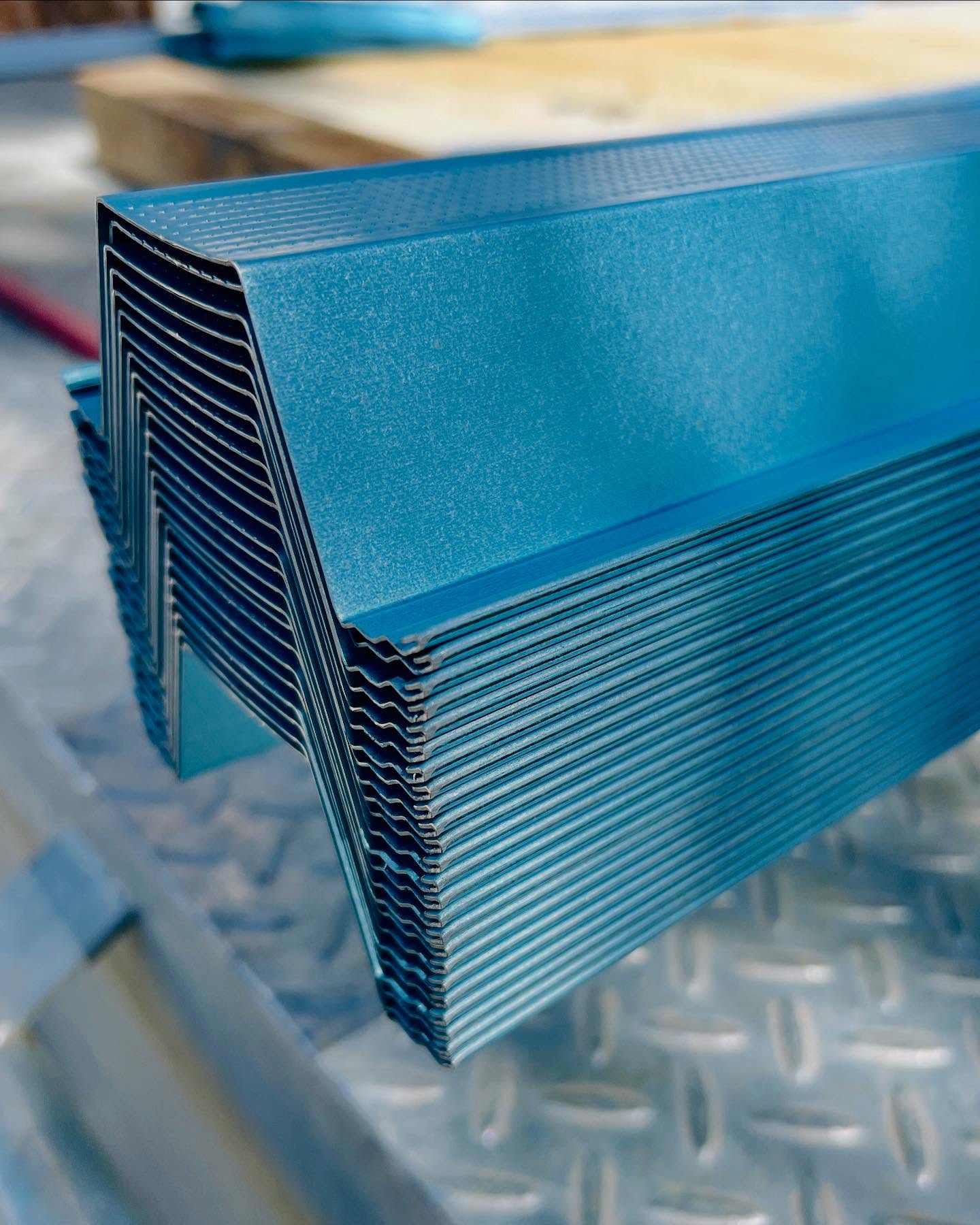
| Weight on site | Heavier, solid section | Light, nests for transport |
| Consistency | Varies piece to piece | Rolled to one profile |
Timber still frames plenty of good roofs. The difference is variance: every steel batten out of the fabricator is the same, and every roof plane fixed to them inherits that consistency for the life of the build.
SEC 03 / Why steel
Advantages of steel for durability and consistency
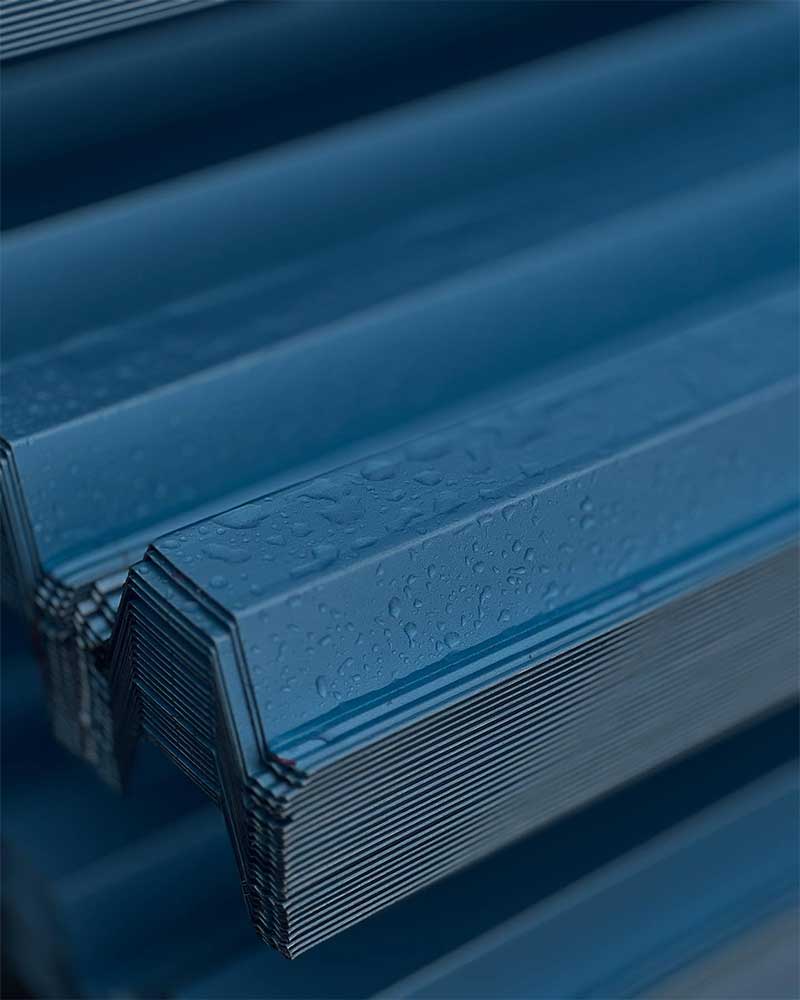
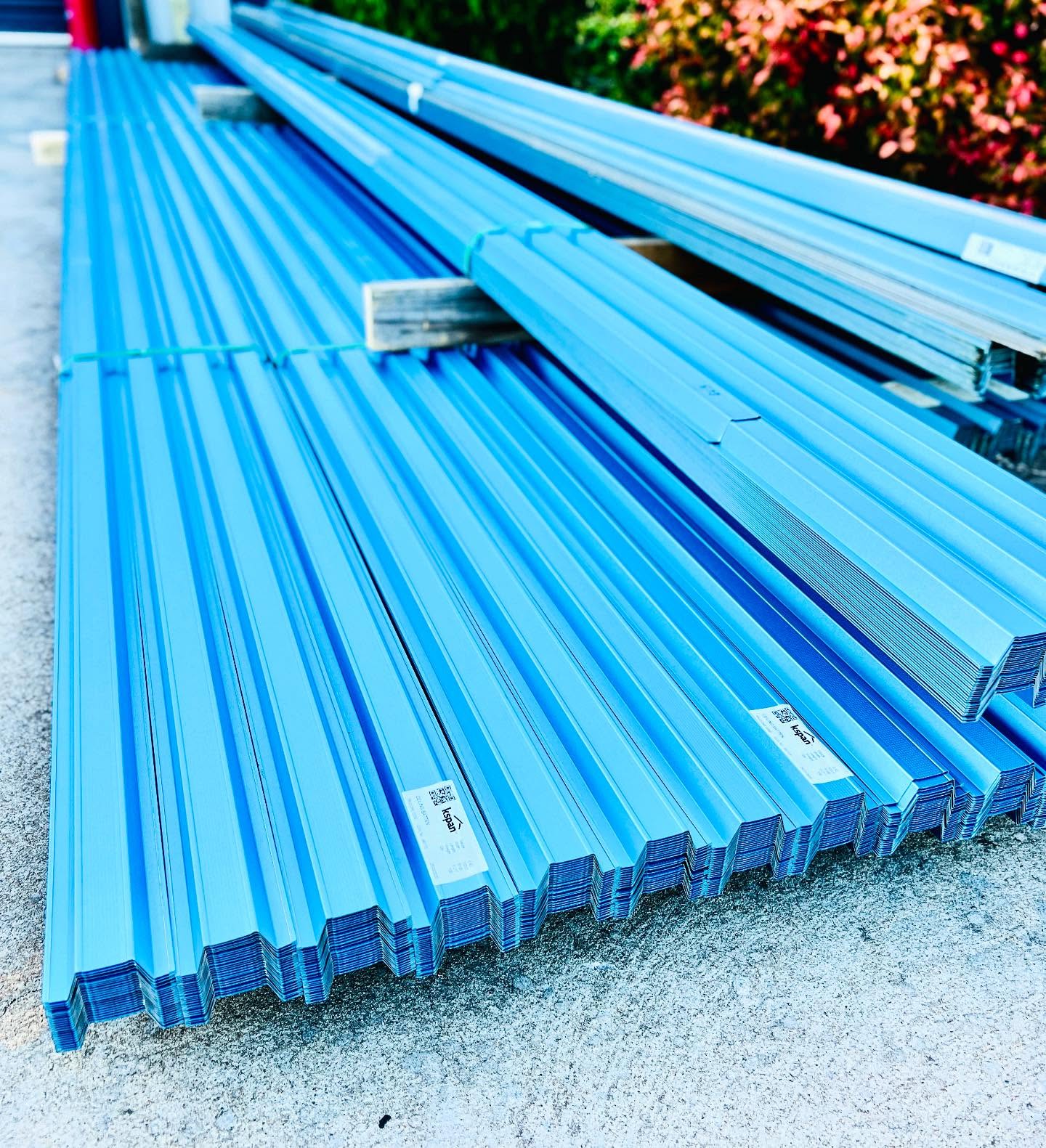
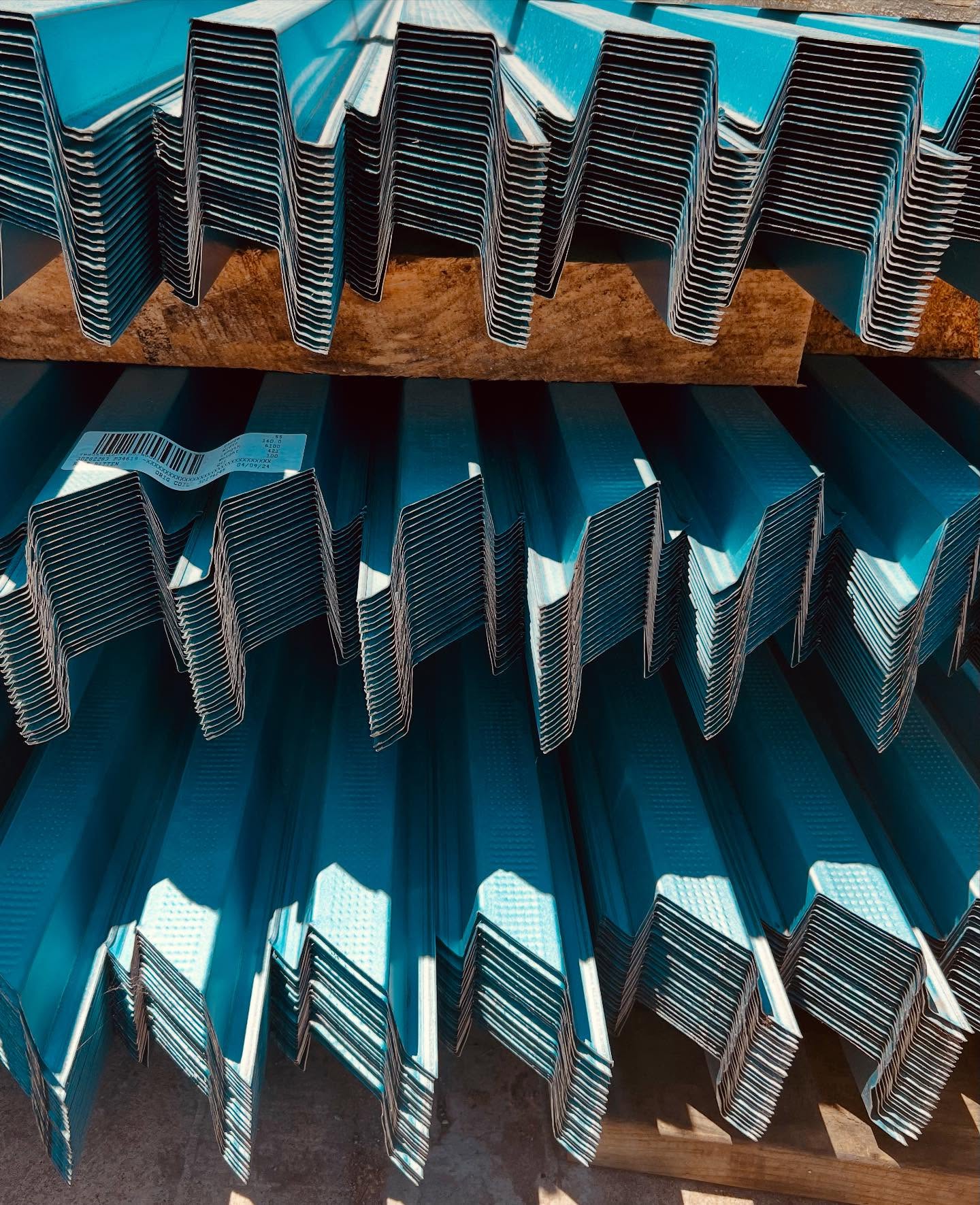
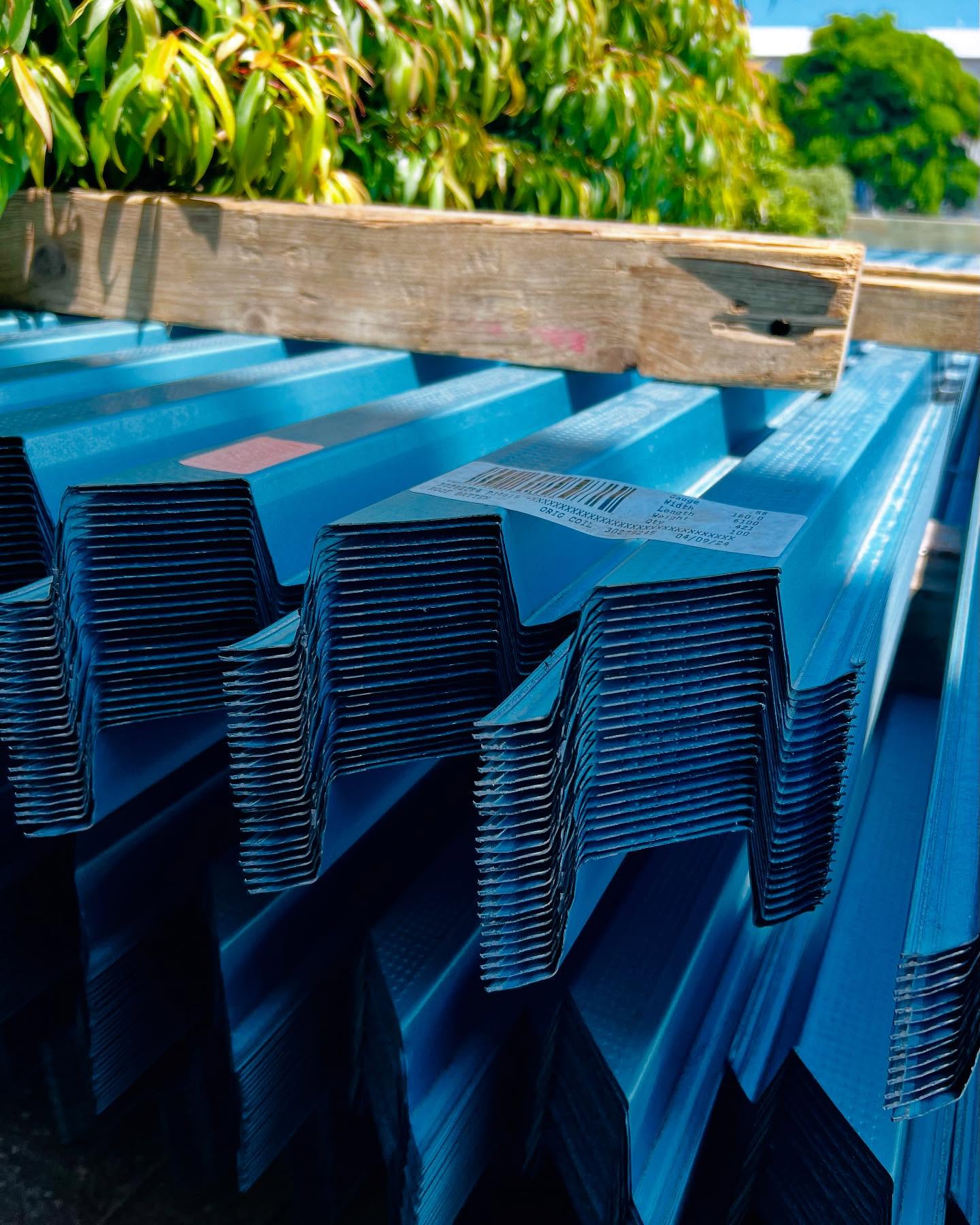
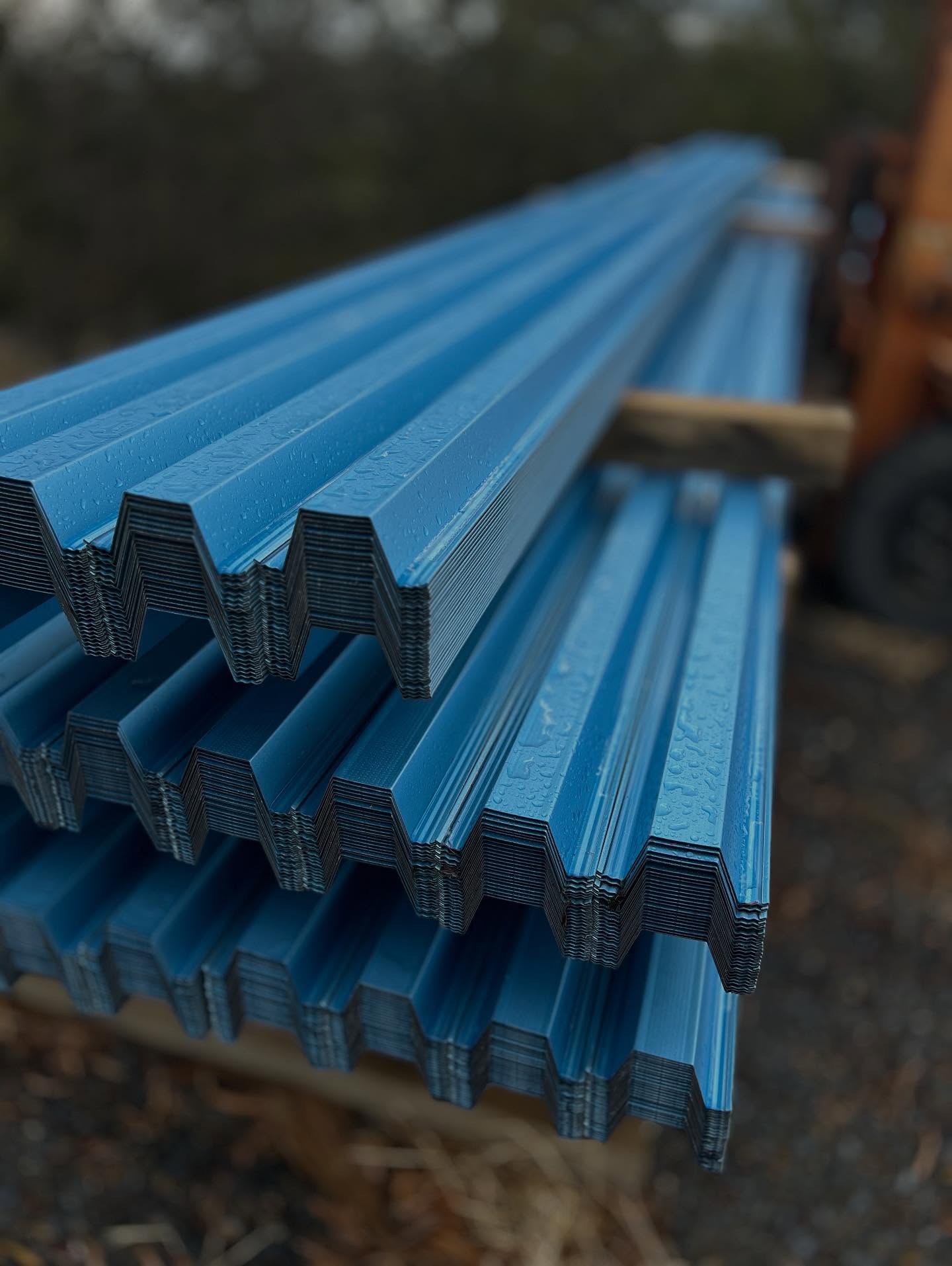
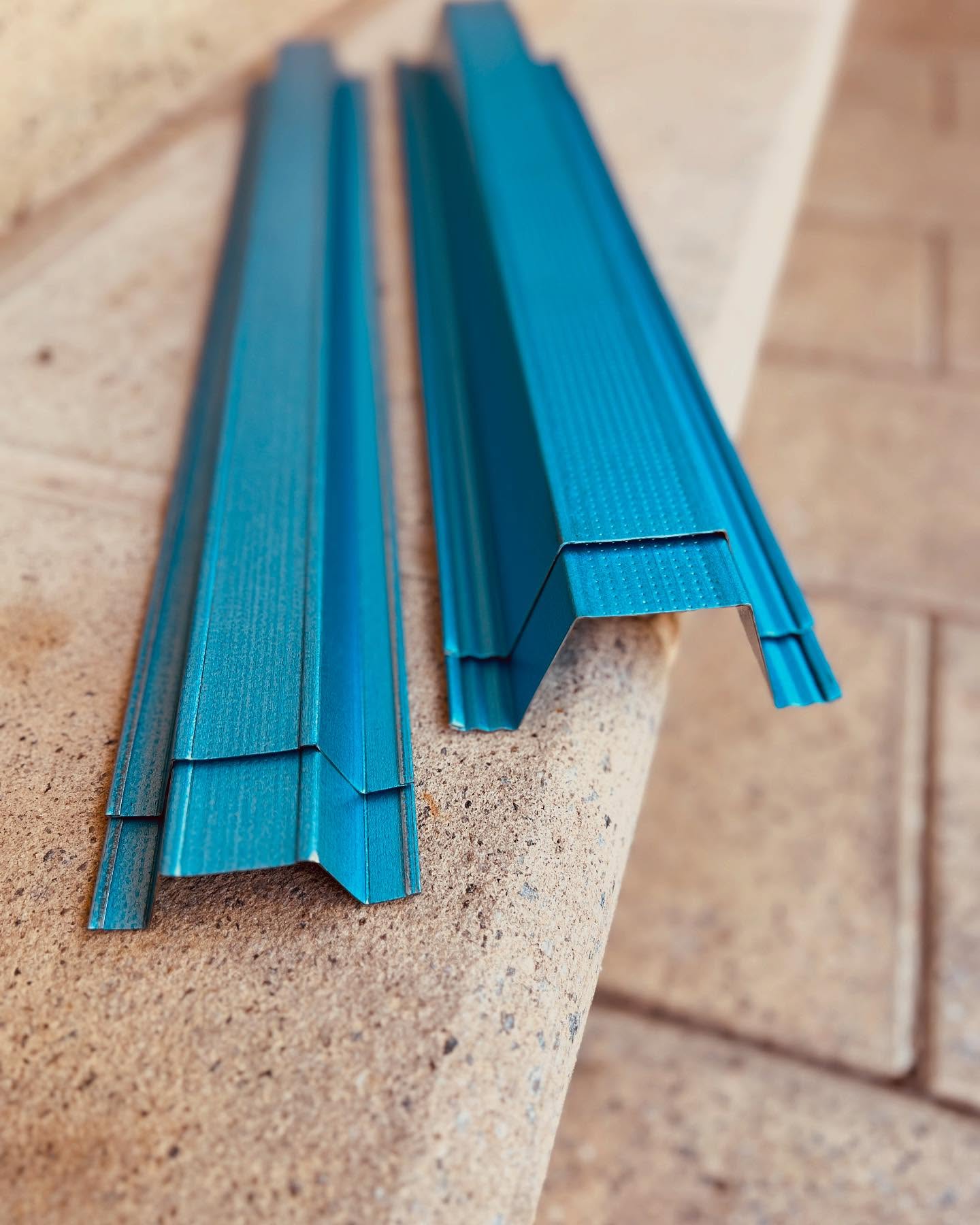
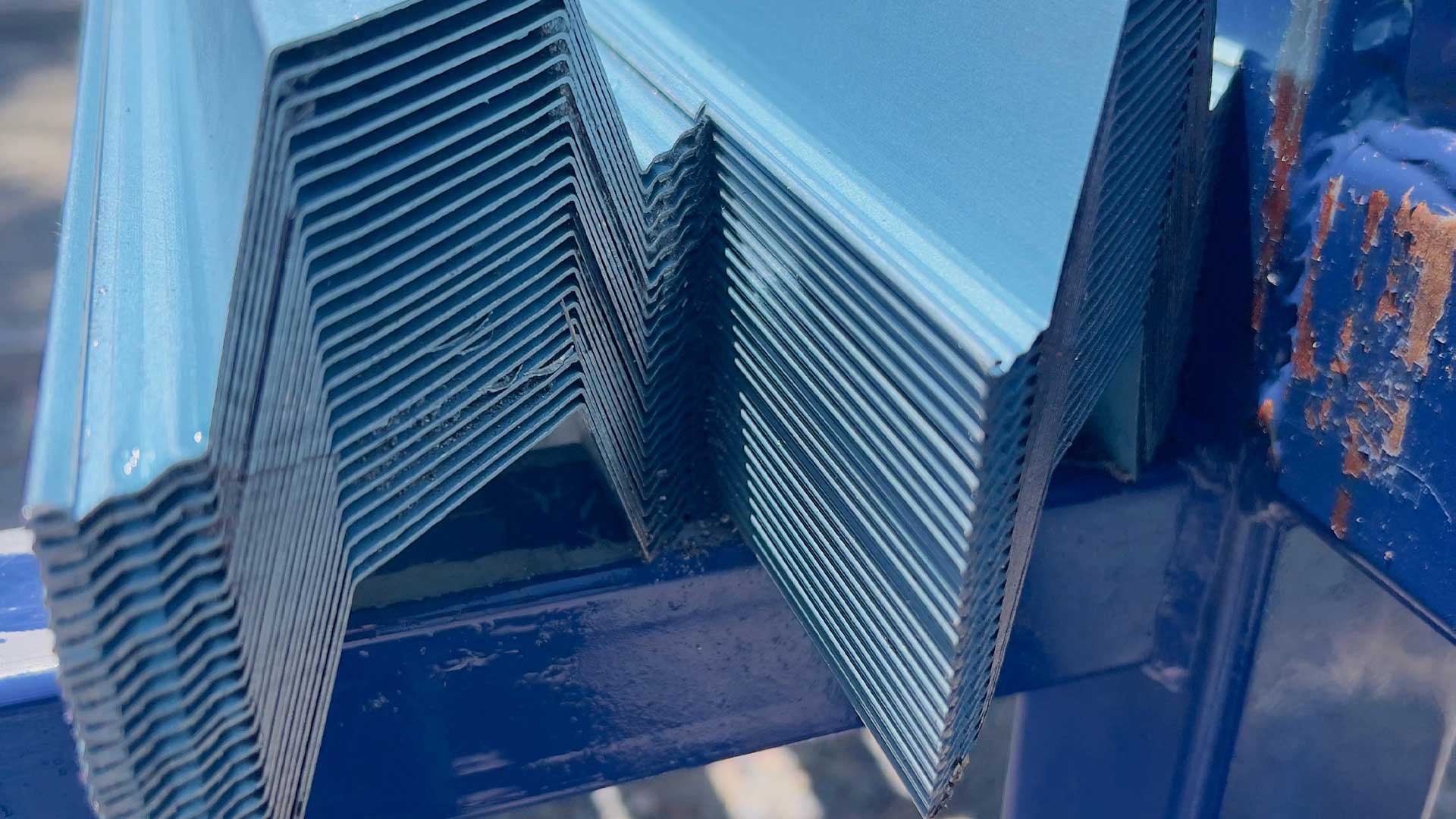
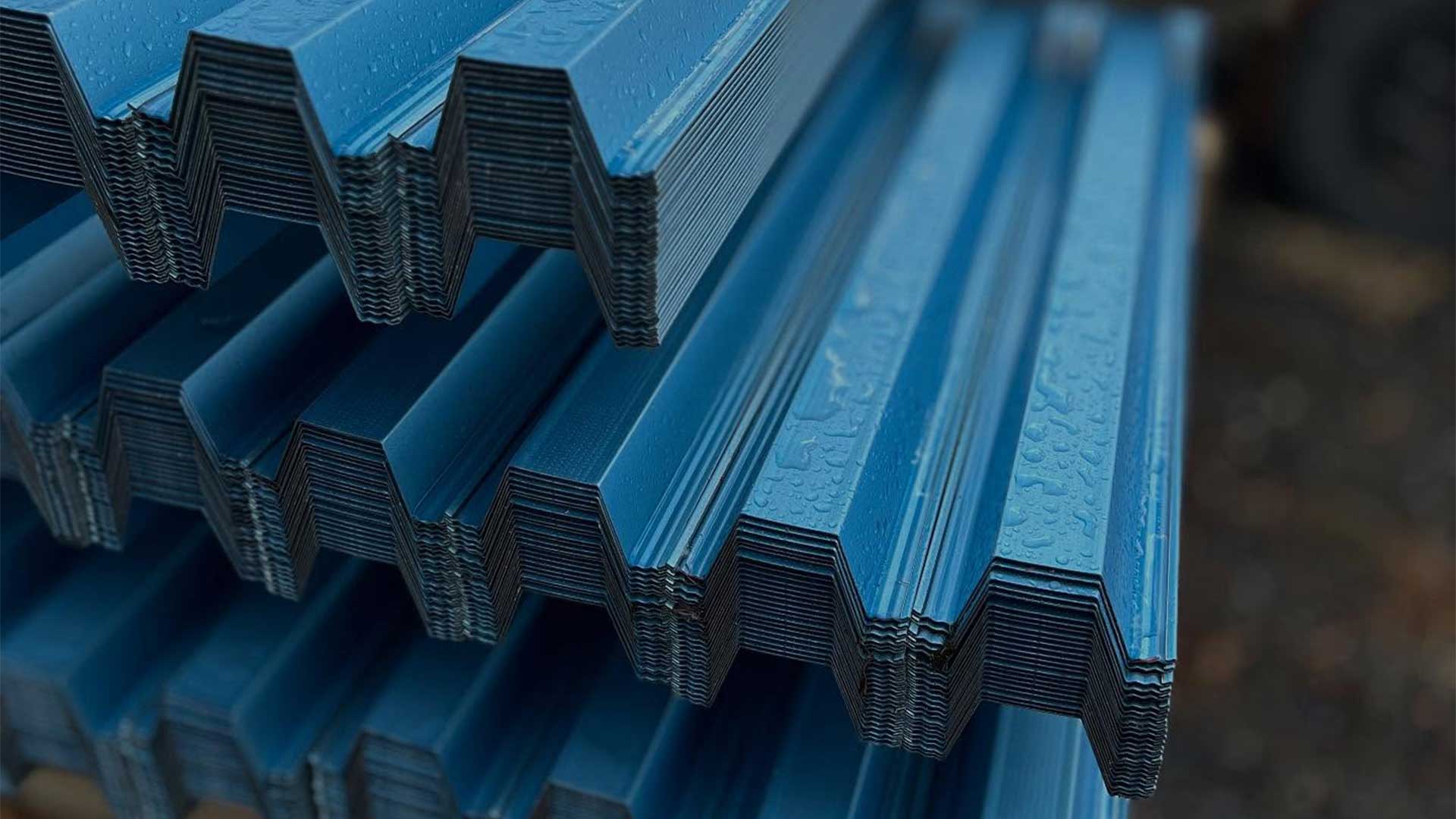
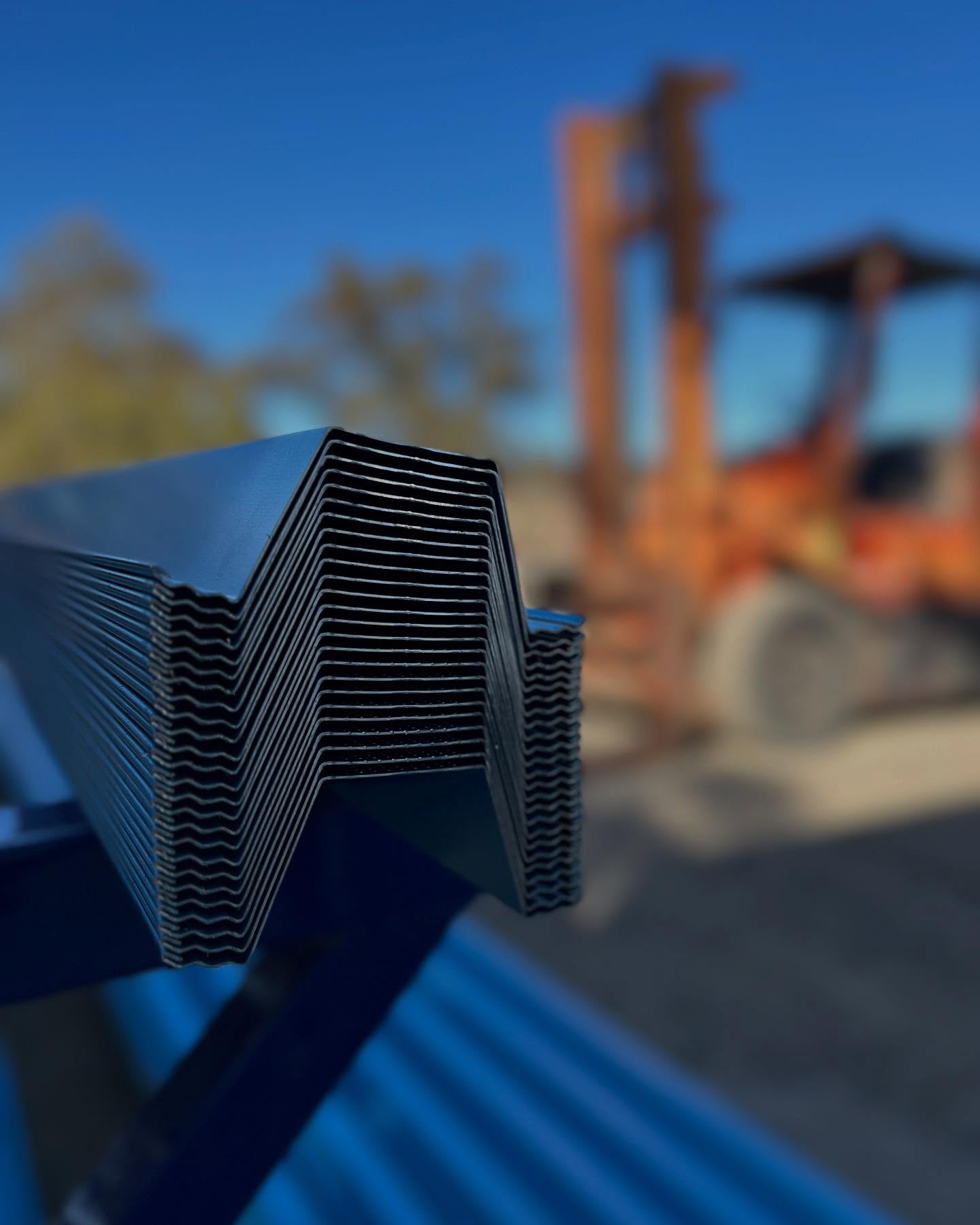
Kspan roof battens are a 40mm top hat section, cold formed in Adelaide from G550 high tensile steel and corrosion treated as part of fabrication. The flat crown carries the sheeting, the flanges give the truss a clean fixing line, and a textured surface helps the screws bite. The full specification is on our steel roof battens page.
Durability is designed in rather than added on: no warp, no twist, nothing for termites, and a working life matched to the sheeting above it. Consistency is the quieter advantage. A dimensionally identical batten line is why steel roofs fix straight on the first pass and stay straight afterwards.
SEC 04 / Structure
How battens contribute to structural integrity
Battens are secondary structure, but secondary does not mean minor. Every load the roof surface sees passes through them on the way to the frame: dead load down, wind load up, and the odd concentrated load in between.
They also tie the roof plane together. A run of battens braces the top edge of the trusses into one surface, which is why published capacity data treats sheeting, batten and screws as one system. The lower of the batten’s section capacity and the screw pull out figure is what actually governs the design.
The batten you never see does the work every day.
Once the sheeting is on, the battens disappear for thirty years. Undersized or warped ones announce themselves eventually, as sheeting movement, leaks and lifting edges, and the fix at that point involves taking the roof off.
SEC 05 / Wind
Supporting roof cladding against wind loads
Wind is the load that takes roofs, and it mostly takes them upward. Gusts passing over the ridge create suction across the sheeting, the sheeting pulls on its screws, and the screws pull on the battens. If any link in that chain gives, the roof peels.
This is why batten data publishes load out capacities, and why they always run lower than load in. A Kspan 40-55 resists 7.04 kN/m of uplift at 600mm support centres, and the heavier 40-75 lifts that to 12.42 kN/m, which is the margin a higher wind classification buys.
So when someone on site asks what are roof battens actually for, the shortest honest answer is this: they are what your roof holds on with.
Battens for your next roof
Tell us the sheeting profile, the truss centres and the lengths. We quote within one business day and despatch direct from our Adelaide facility across metro, the hills and regional SA.
This guide describes general roofing practice and published Kspan product data. Batten selection, spacing and fixing should always be confirmed against the sheeting manufacturer’s literature, the relevant Australian Standards and the project documentation.