Design Data / Top Hat Battens
Top Hat Span Tables and Sizes for 22mm and 40mm Battens
A span table is not a list of maximum spans. Instead, it lists load capacities at given spans, and reading it the wrong way is how battens end up undersized. So here are the Australian sizes, the published figures, and how to use them.
- Ceiling section
- 22mm
- Roof section
- 40mm
- BMT range
- 0.42to 0.75mm
- Steel grade
- G550 high tensile
- Made in
- Adelaide, SA
Same profile family, two jobs. Ultimately, the crown height is what changes the span.
01 / The sections
Two sizes cover most Australian work
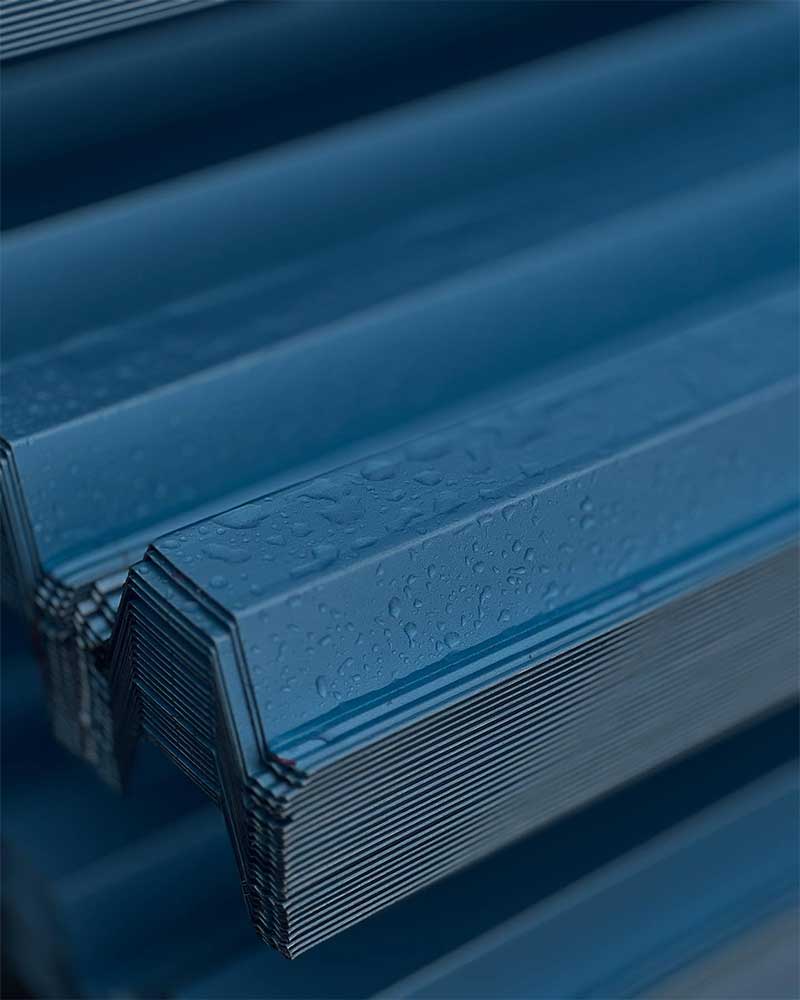
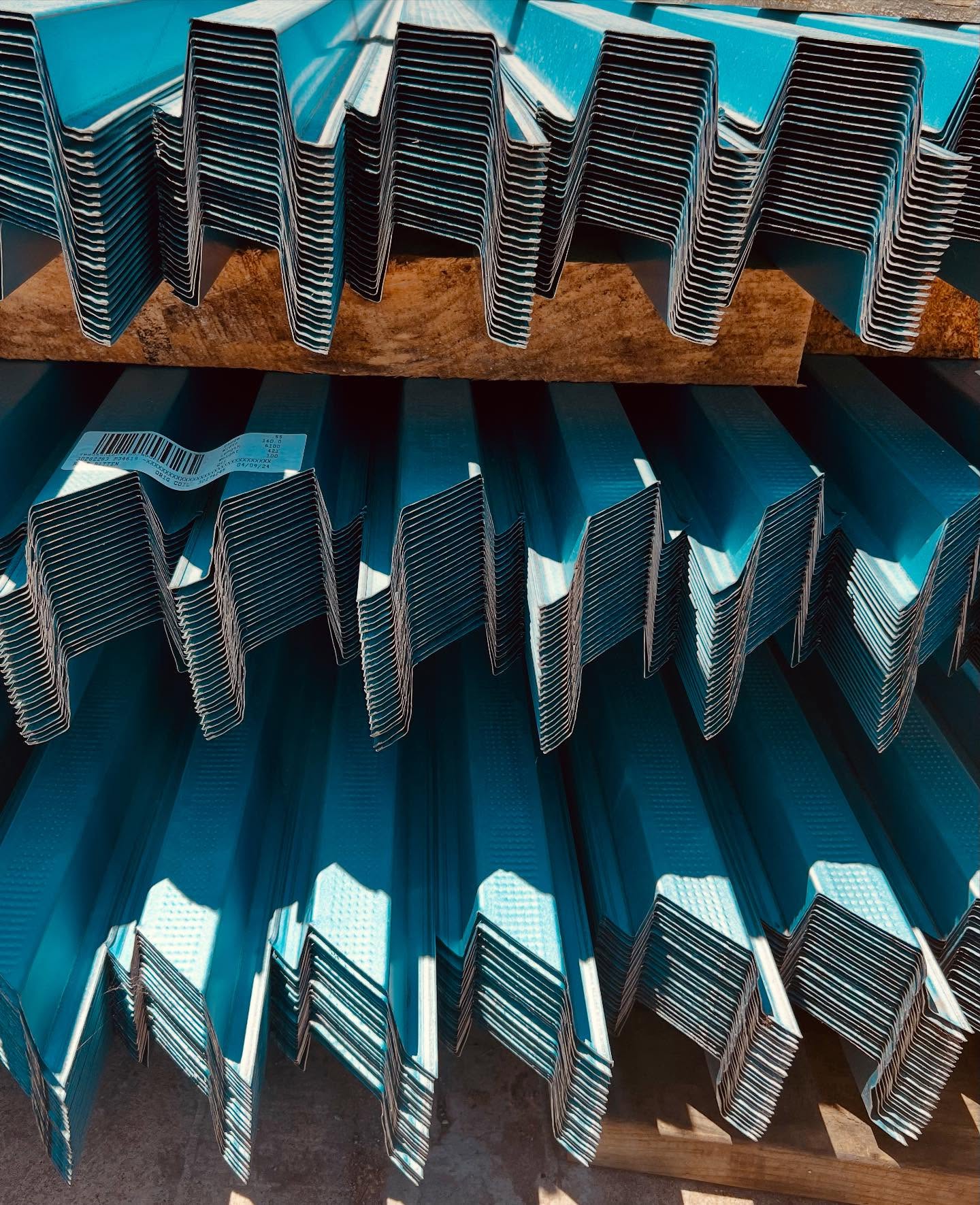
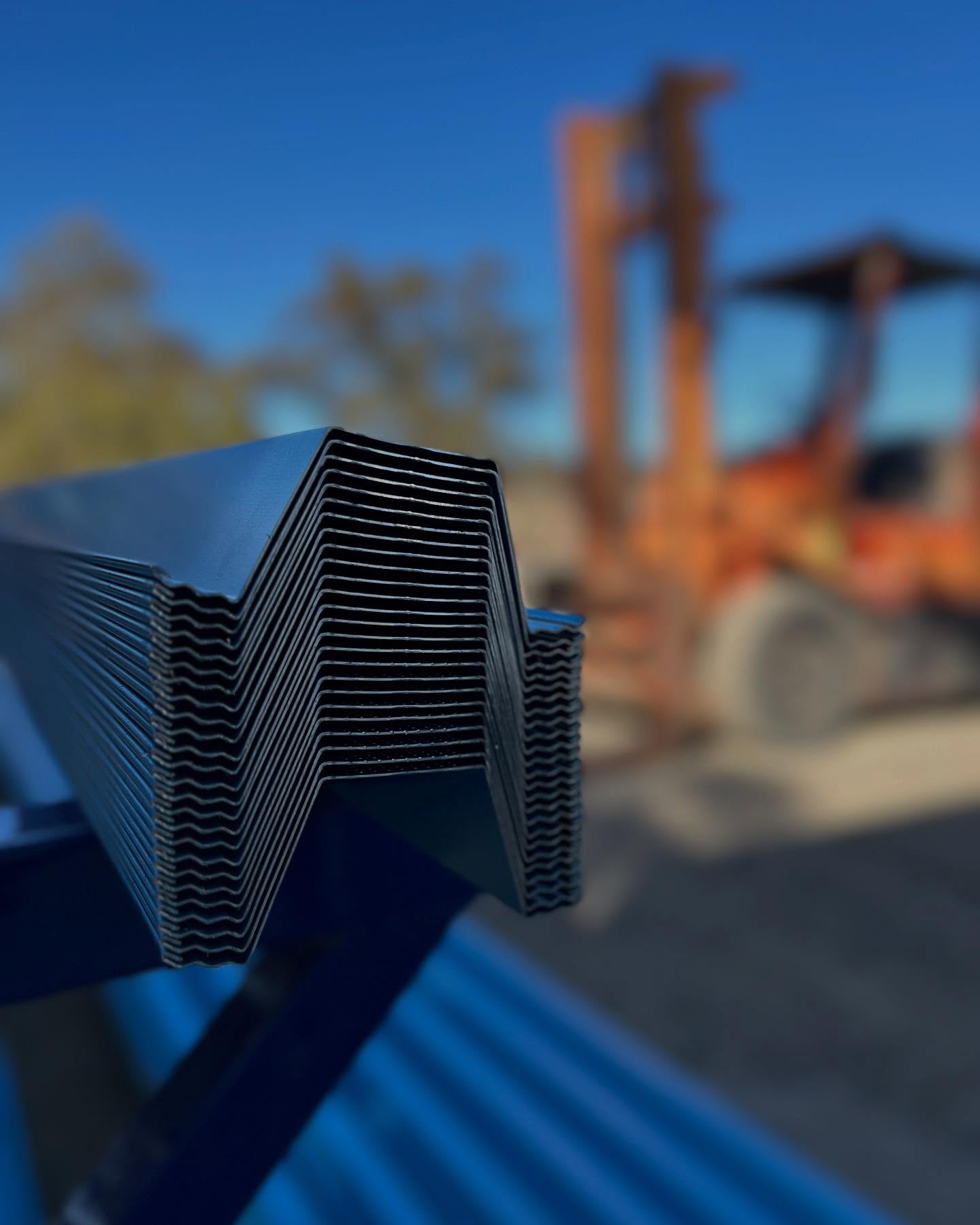
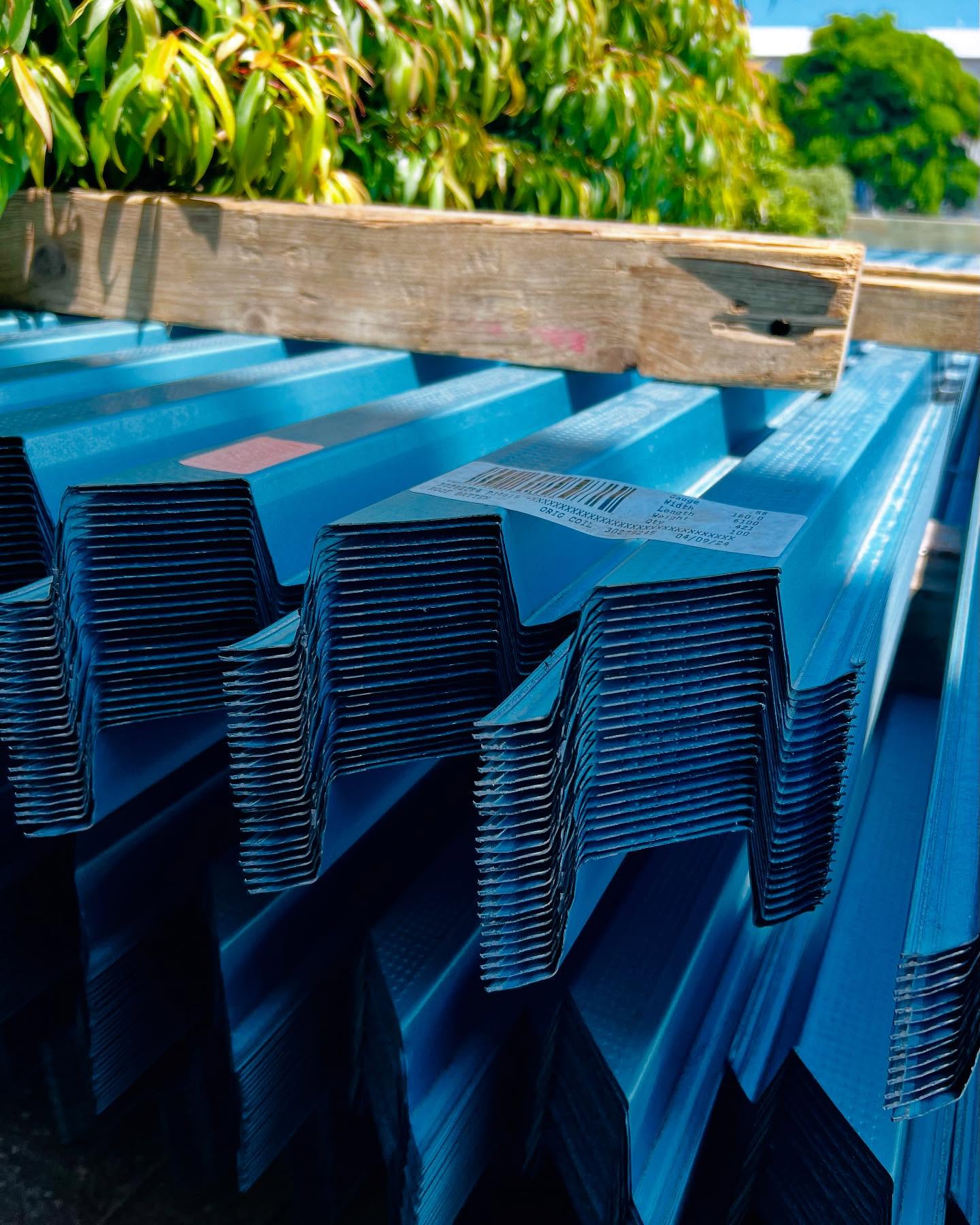
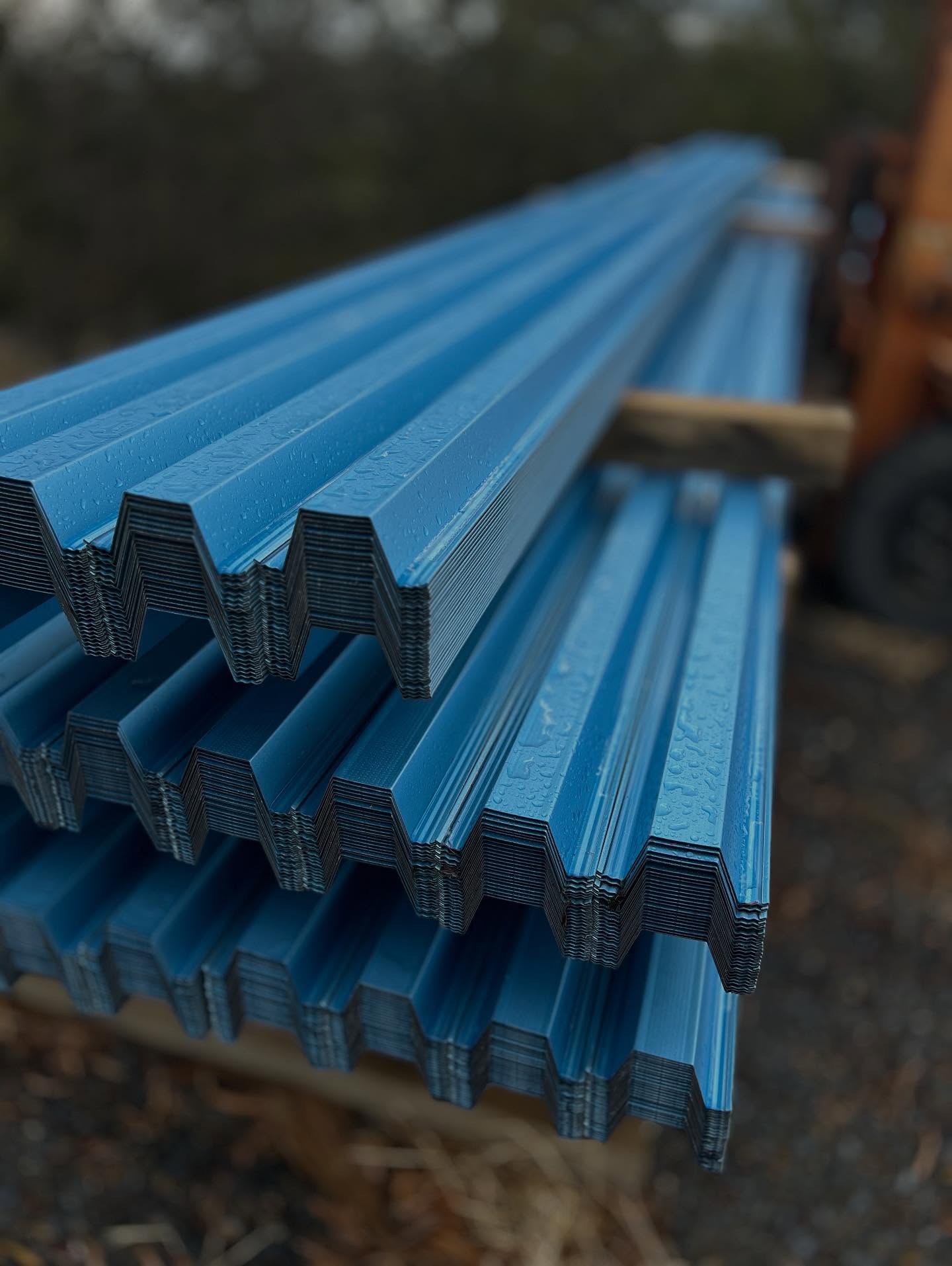
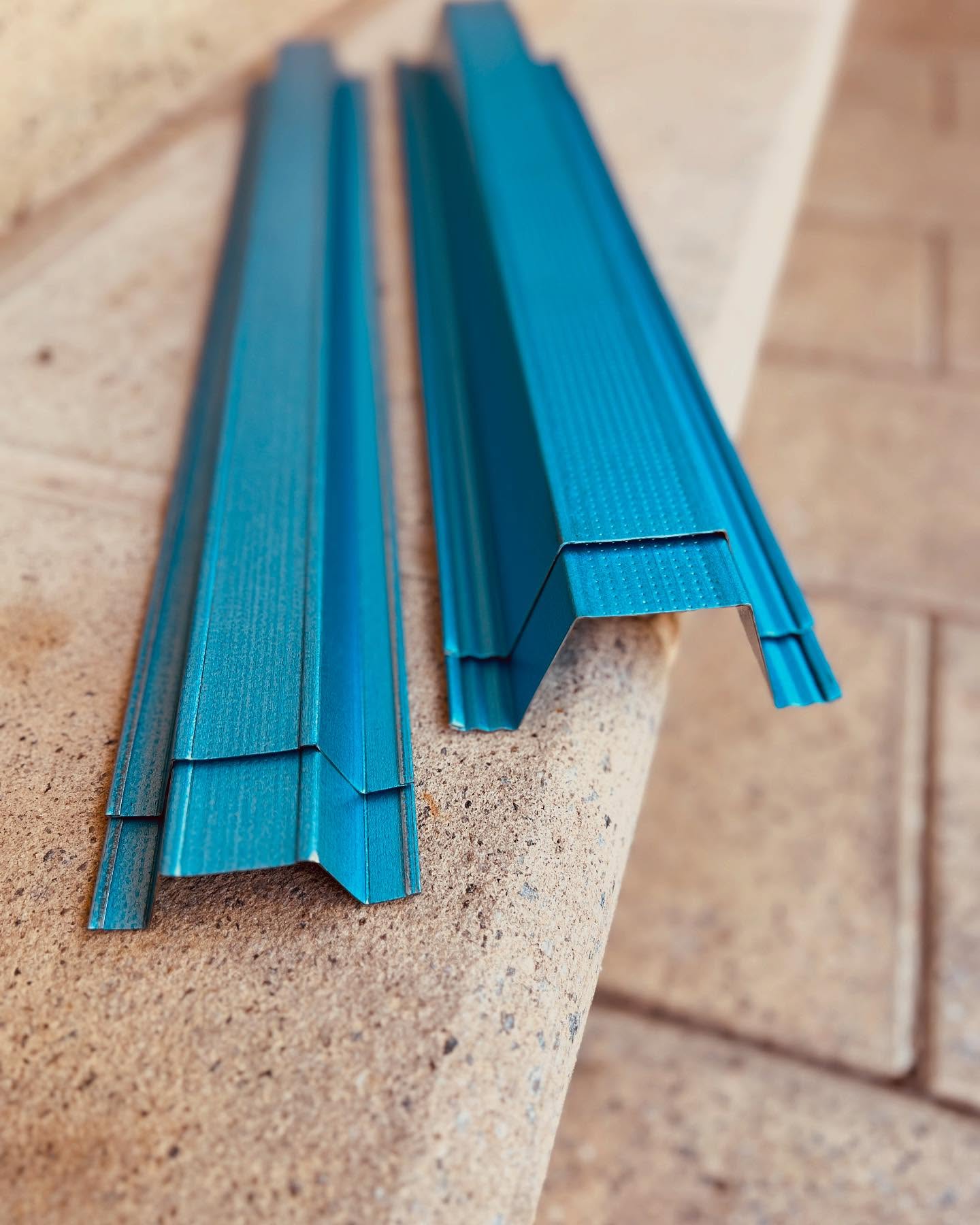
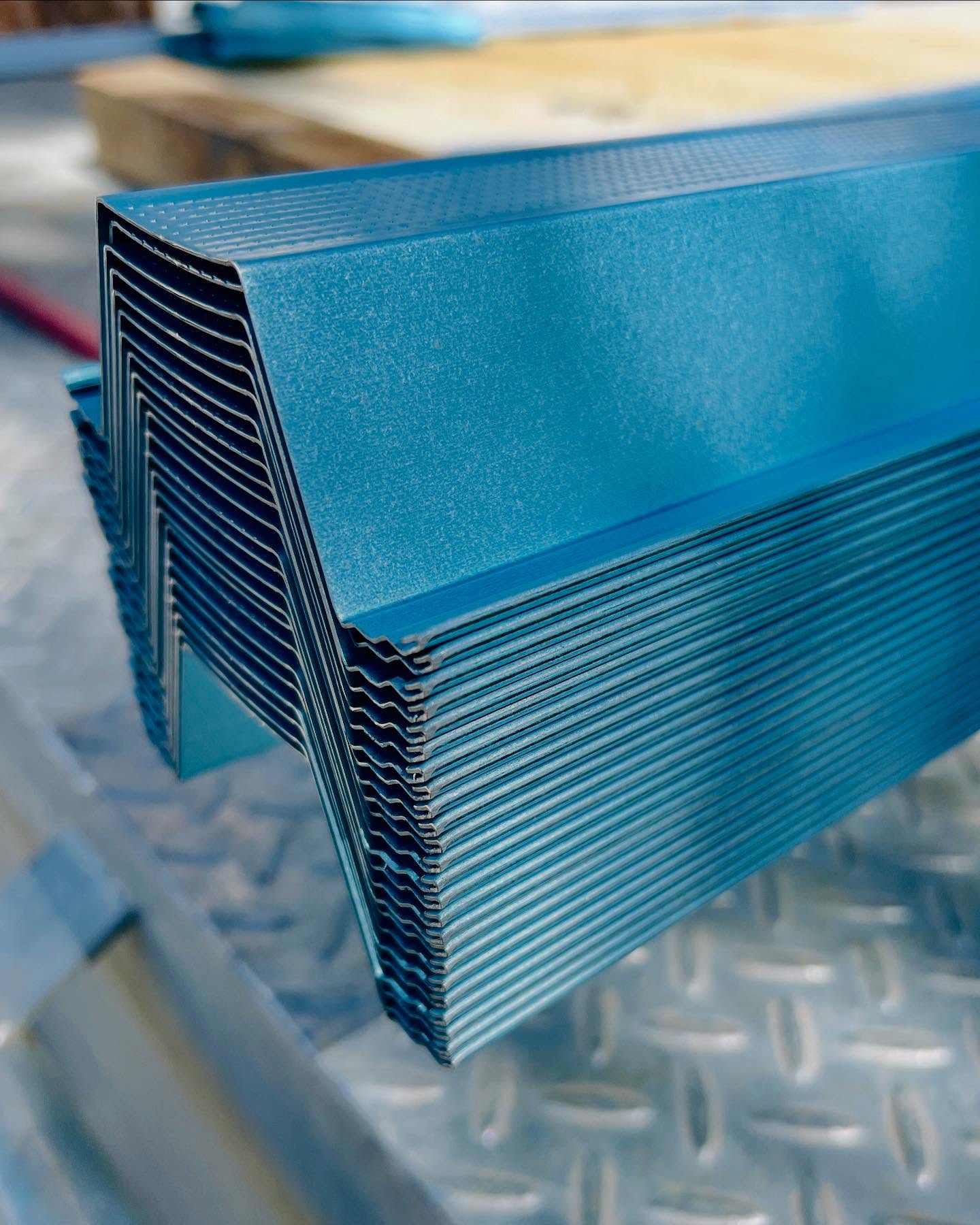
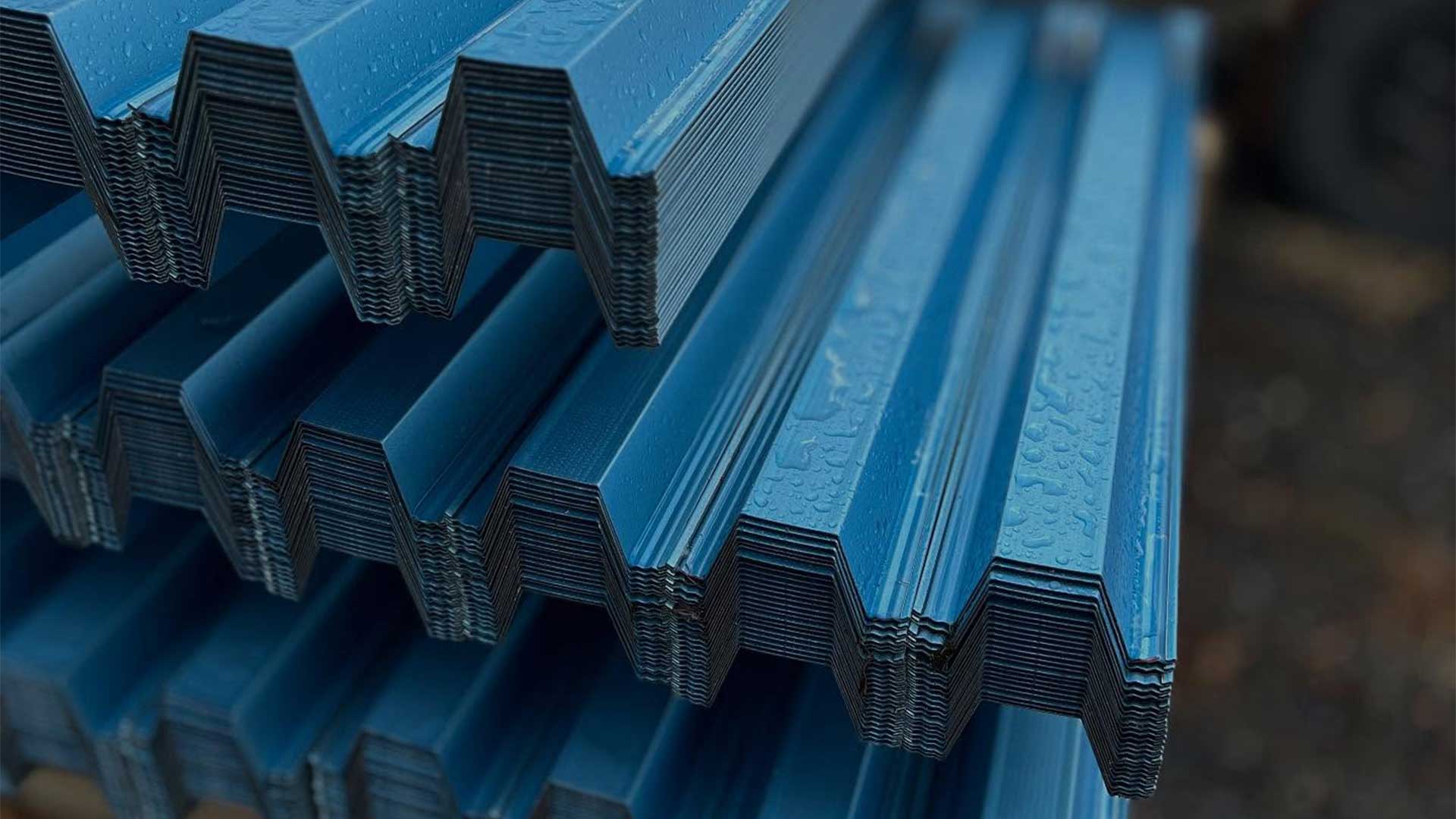
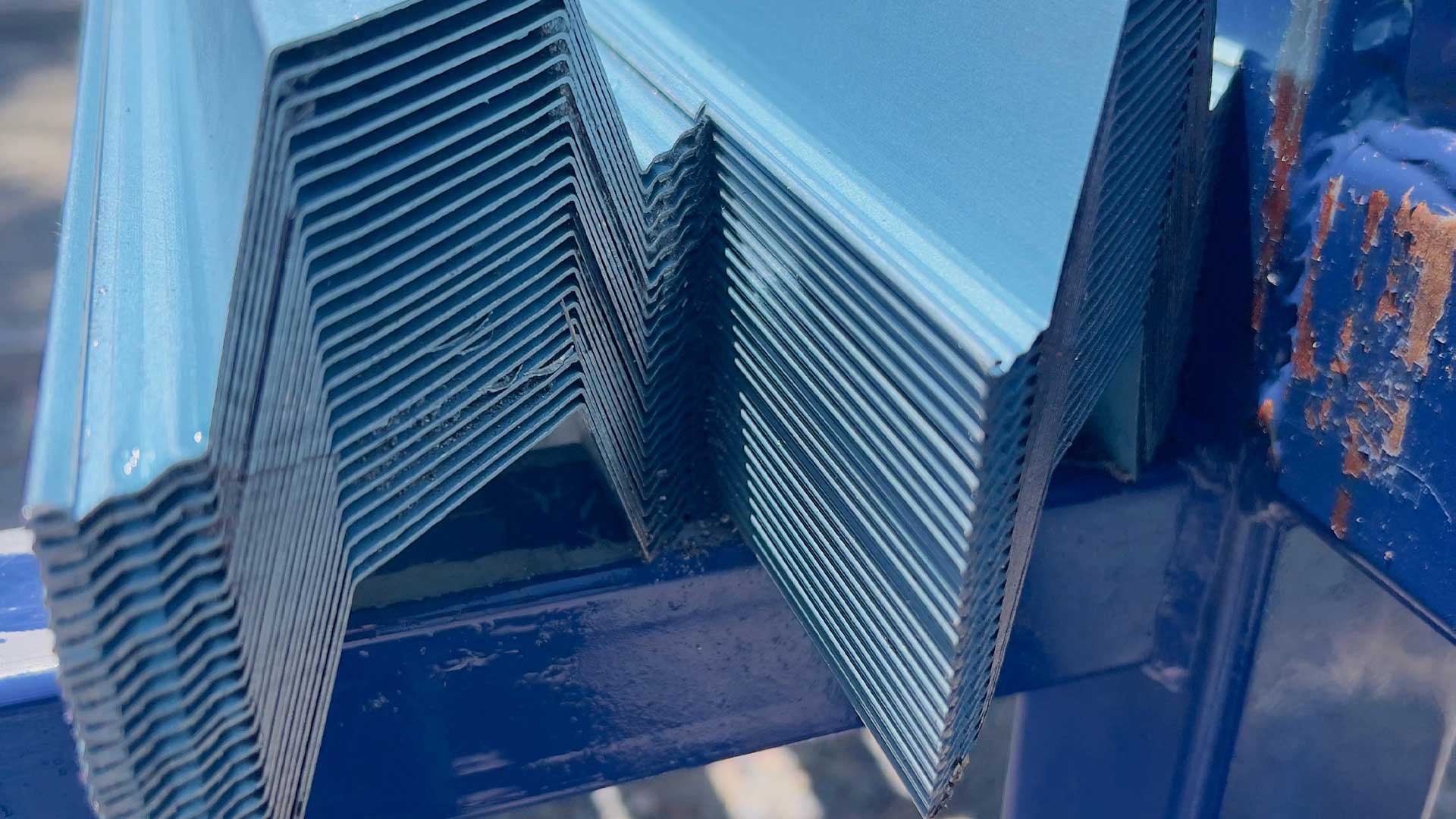
A top hat batten is a cold formed steel section shaped like a hat when you look at the end of it: a flat crown with a web running down each side to a horizontal flange. In use, the flanges fix to the structure while the crown carries the lining or the sheeting.
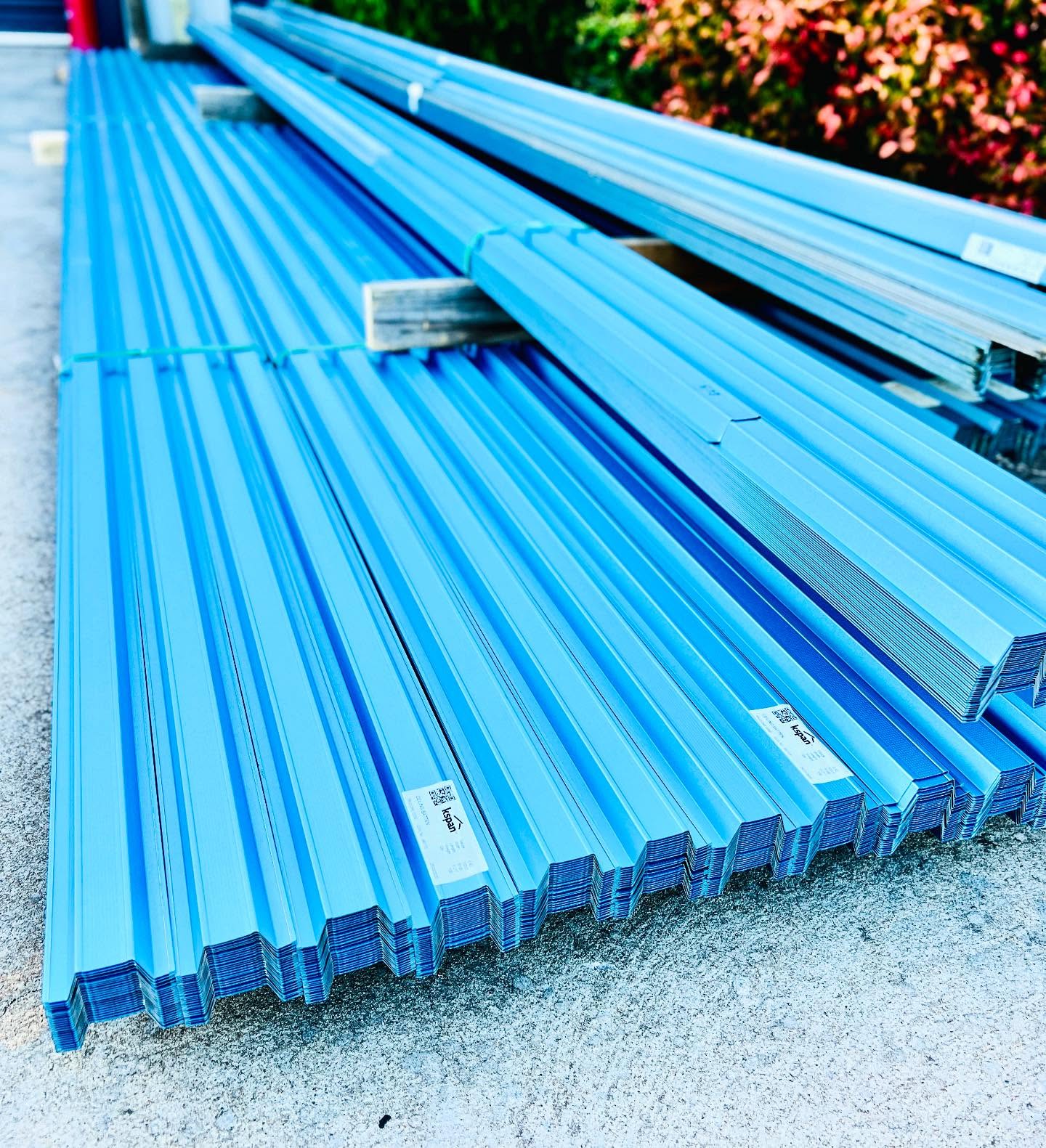
Two sizes handle the overwhelming majority of Australian residential work: a 22mm section for ceilings, and a 40mm section for roofs. Both are made here in Adelaide from G550 high tensile steel to AS 1397. Additionally, both are corrosion treated and carry a textured crown that helps hold a screw.
The naming convention is worth knowing before you read any table. For example, a 22-42 is a 22mm section in 0.42mm base metal thickness, while a 40-75 is a 40mm section in 0.75mm BMT. In other words, the number after the dash is the steel thickness in hundredths of a millimetre. Notably, it matters more to the span than anything else on the spec sheet.
02 / Sizes
Top hat batten sizes and dimensions
| Spec | 22mm ceiling | 40mm roof |
|---|---|---|
| Designation | 22-42 | 40-55 / 40-75 |
| Nominal height | 22mm | 40mm |
| Crown | 36mm channel | 40mm |
| Overall width | 61mm | 82mm |
| Flange each side | 14mm | 15mm |
| BMT | 0.42mm | 0.55 / 0.75mm |
| Mass | 0.357 kg/m | 0.714 / 0.974 kg/m |
| Section area | Per data sheet | 85.35 / 115.20 mm² |
| Steel | G550 | G550 |
03 / How to read them
What top hat span tables actually tell you
This is where most of the confusion sits. Firstly, top hat span tables do not say “this batten spans 1200mm”. Rather, they give the design capacity, in kilonewtons per metre, that the section can carry at a given span.
- The table gives capacity.Specifically, how much load the section can resist at 600, 900 or 1200mm centres.
- Your project gives the demand.That is, wind classification under AS 4055 or AS/NZS 1170.2, plus imposed loads under AS 1170.1.
Then you compare the two. If capacity exceeds demand, the span works. Otherwise, you tighten the centres or step up the BMT. In short, that is the whole exercise, which is why a span figure quoted without a wind classification attached is meaningless.
04 / The 40mm table
40mm roof batten design capacity
Triple span, unlapped, three span continuous. Capacities in kN/m.
| Span | 40-55 in | 40-55 out | 40-75 in | 40-75 out |
|---|---|---|---|---|
| 600mm | 8.39 | 7.04 | 13.73 | 12.42 |
| 900mm | 3.89 | 3.06 | 6.09 | 5.16 |
| 1200mm | 2.05 | 1.60 | 3.22 | 2.65 |
Load in is downward: sheeting weight, foot traffic during install, and a solar array added later. Load out, by contrast, is uplift, which in most South Australian wind classifications is the case that governs. Notably, capacity falls away fast. For example, doubling the span from 600mm to 1200mm leaves the 40-55 with roughly a quarter of its capacity. Consequently, widening truss centres is never a free saving.
Read the assumptions before you use the numbers.
These figures assume all spans equal, roof sheets attached to the crown, deflection load taken at span over 150, and a G450 supporting member. Therefore, change any of those and the numbers change with them.
05 / The fixing
Screw pull-out is part of the span
A batten is only as strong as its connection to the frame below. Under uplift the failure is usually the screw pulling out of the supporting member, not the batten itself bending, so the pull-out capacity is published alongside the section capacity and the lower of the two governs.
| Span | 0.75 | 0.95 | 1.15 | 1.5 and over |
|---|---|---|---|---|
| 600mm, 2 x 12g | 2.36 | 3.23 | 3.91 | 5.10 |
| 900mm, 2 x 12g | 1.57 | 2.15 | 2.61 | 3.40 |
| 1200mm, 2 x 12g | 1.18 | 1.62 | 1.96 | 2.55 |
| 600mm, 14 x 12g | 3.49 | 6.46 | 7.82 | 10.20 |
| 900mm, 14 x 12g | 2.33 | 4.31 | 5.21 | 6.80 |
| 1200mm, 14 x 12g | 1.75 | 3.23 | 3.91 | 5.10 |
Compare the two tables and the point lands quickly. For instance, a 40-55 at 600mm centres has 7.04 kN/m of outward capacity. However, fixed with two 12g screws into a 0.75mm member, the connection only offers 2.36. In that case the frame, not the batten, is the limit.
06 / The 22mm section
Where the ceiling section fits
Meanwhile, the 22mm section is a different problem. It carries interior lining rather than weather, so its spacing is set by the plasterboard fixing centres rather than by wind: 450mm maximum for 10mm board, up to 600mm for 13mm. What the span table governs is how far the batten bridges between joists or trusses, not how often it repeats.
Top hat battens are also used as wall girts, soffit framing and as a light gauge substitute for purlins. Explore our top hat battens range, and contact us to discuss the section required for your frame layout.
- Profiles
- 22mm / 40mm
- BMT
- 0.42 / 0.55 / 0.75
- Steel
- G550 high tensile
- Finish
- Corrosion treated
- Compliance
- AS/NZS · AS 1397
Send us the wind classification, the support centres and the sheeting profile, and we will check the top hat span tables against your build before quoting a section.
07 / Answers
Common questions from SA builders
What do top hat span tables actually tell you?
They give the design capacity of the section in kilonewtons per metre at a given span, rather than a maximum span on its own. You then compare that capacity against the wind and imposed loads calculated for your project. If capacity exceeds demand, the span works.
What sizes do top hat battens come in?
The two standard Australian residential sizes are a 22mm section for ceilings and a 40mm section for roofs. Specifically, the 22mm is 61mm overall width in 0.42mm BMT, while the 40mm has a 40mm crown, 82mm overall width, and comes in 0.55mm or 0.75mm BMT. Additionally, custom crown widths and thicknesses can be fabricated to order.
What is the difference between 40-55 and 40-75?
Base metal thickness. Specifically, the 40-55 is 0.55mm and the 40-75 is 0.75mm, in the same 40mm profile. Because the heavier gauge carries roughly 60 per cent more load at the same span, it is usually the answer when a span or a wind classification pushes the lighter section past its capacity.
How far can a 40mm top hat batten span?
It depends entirely on the load. Generally, published data covers 600mm, 900mm and 1200mm spans, with capacity falling sharply as the span widens. For example, a 40-55 offers 7.04 kN/m outward at 600mm but only 1.60 kN/m at 1200mm. Ultimately, which of those works is determined by your wind classification, not by the batten alone.
Do span tables account for the screws?
Not directly. Screw pull-out is published separately, and the lower of the two figures governs. Because the connection into a thin supporting member often fails before the batten does under uplift, both tables have to be checked, not just the section capacity.
Are 22mm ceiling battens covered by the same tables?
No. The 22mm section carries interior lining rather than wind and foot traffic, so it is specified against the plasterboard fixing centres and its own span data. Instead, ask us for the 22-42 figures against your joist or truss layout.
Which Australian Standards govern top hat batten spans?
Several apply together. Specifically, AS/NZS 4600 for cold formed steel design, AS 1170.0, AS 1170.1 and AS/NZS 1170.2 for loading, AS 4055 for wind loads on housing, AS 1562.1 for sheet roof and wall cladding, and AS 1397 for the steel itself. Your engineer will reference these when signing off the spec.
Sized against your wind classification
Send us the wind classification, support centres, sheeting profile and lengths. Then we check the section against the published data and quote within one business day, despatching from our Adelaide facility across metro, the hills and regional SA.
Capacities shown are Kspan published engineered data for the sections named, under the design assumptions stated above. However, they are not a substitute for project specific design. Therefore, always confirm the section, span and fixing against the current manufacturer data sheet, the relevant Australian Standards and the project engineer’s documentation.